A naming ceremony can be a small, personal celebration centred on your family and the name you have chosen. At home, the most useful plan is one that keeps arrangements simple and gives the parents room to pause whenever they need to.
1. Decide what the ceremony means for your family
Talk with the parents about the kind of gathering they want. Some families include religious or cultural customs; others prefer a name announcement and a meal. Confirm the order and any specific items with the person guiding your family's ceremony.
Agree on how the name will be announced and how it should be written. Check the spelling in every language you plan to print before ordering a sign or sending the invitation. Do not assume there is one timing or ritual format that every family must follow.
2. Choose a manageable guest list
Start with the number of people you can seat comfortably. Think about the room after decorations, food and bags are added, rather than counting only the empty floor space. A smaller gathering can make it easier for the parents to spend time with each guest.
Ask for replies and keep one guest list with the number attending. Share the address, parking details and approximate finish time. If relatives cannot attend, consider a short private video call for the name announcement, with the parents' agreement.
3. Build a flexible event schedule
Choose a convenient gathering window with the parents and leave room for breaks. Avoid planning a long sequence of activities that requires the family to stay in one place. The announcement, a few photographs and a meal can be enough.
A simple sequence is welcome, family ceremony or announcement, short photo session and food. Treat it as an order of events rather than a timetable that must run to the minute. Tell a trusted relative that they can move food service forward or pause photographs if the parents want a break.
4. Create one simple backdrop
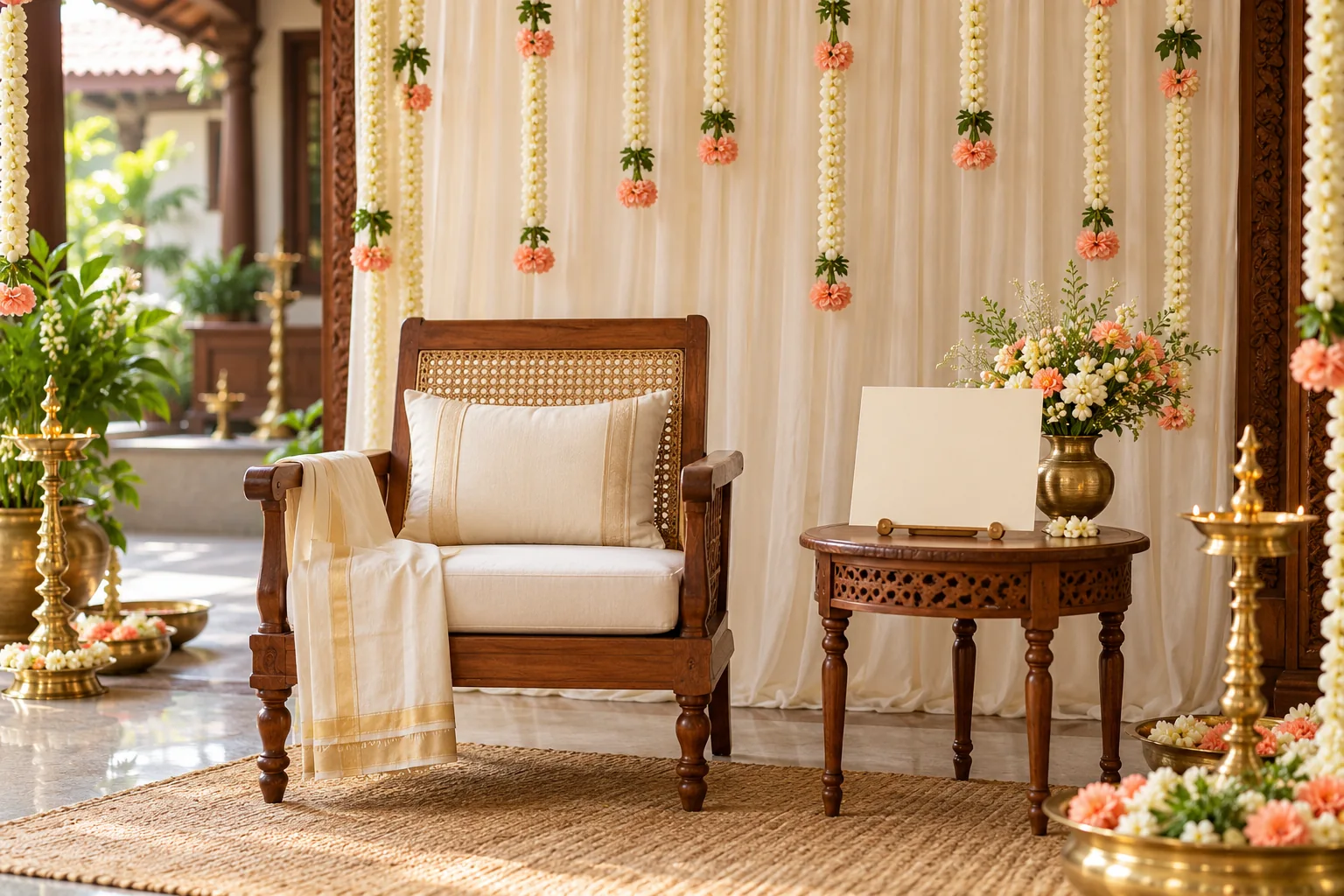
Use a tidy wall with a plain cloth and a restrained flower arrangement. A name board is optional; if the name is a surprise, keep it covered until the announcement. Pick two colours so invitations, flowers and the board feel connected without requiring a complete matching set.
Set aside a comfortable chair for the parent holding the baby and leave space for family photographs. Keep loose decorative items and equipment out of the main seating area. A display should support the gathering, not take over the room.
5. Keep a quiet room available
Set aside a private room the parents can use whenever they wish. Ask them what they want kept there and who should have access. Make sure guests know to ask before entering or taking photographs.
Let one relative manage visitors and practical questions so the parents do not have to host continuously. Do not turn a photo session into an obligation. The family should be able to change the schedule, shorten a group photo or leave the main room without an explanation.
6. Choose easy food and a modest sweet selection
Match the food to the time of day: refreshments and snacks for a short visit, or a simple meal if guests are staying longer. Count the people handling setup and serving when confirming portions. Agree with the caterer on delivery, plates, serving utensils and cleanup.
One or two sweets can be enough alongside the main menu. Choose complementary options rather than several similar rich dishes. Browse our 20 traditional sweets for Tamil functions for ideas, and ask guests about dietary requirements before ordering.
7. Plan photographs and sharing preferences
Make a short photo list: parents and baby, immediate family, grandparents if attending and a group photograph. Give the photographer or nominated relative that list so important pictures are not forgotten.
Ask the parents whether the baby's name and photographs may be shared publicly. Mention their preference to guests before the announcement, particularly if relatives are joining by video. A private family album may suit them better than immediate social-media posts.
8. Share the work and track spending
Allocate food, decorations, photographs, gifts and incidental supplies within a total the family is comfortable spending. Reuse furniture and fabric where possible. Ask suppliers for written details of what their price includes, especially delivery and collection.
Give one person each responsibility: setup, guest welcome, food coordination and clearing up. Keep return gifts optional. If you choose them, a simple useful item with a thank-you note can be prepared ahead of time so the hosts are not packing bags during the event.
9. Use the final preparation checklist
Several days before: confirm attendance, name spelling, ceremony arrangements and food. Check deliveries and decide who will receive them. Share the parents' photo preferences with anyone helping.
The day before: arrange the backdrop, prepare any cards or gifts and clear the guest route. Set out serving supplies and check the private room. Keep all essential contact numbers in one place.
Before guests arrive: check the seating, drinking water and food plan, then let the parents settle in. At the end, have helpers clear the room and organise borrowed items so the family can finish the day quietly.
10. Common planning questions
Can we hold a naming ceremony without a large stage? Yes. A simple backdrop and comfortable seating can work well for a small home gathering.
Are return gifts necessary? They are a family choice. A warm welcome and a personal thank-you are meaningful on their own.
What if the planned timing changes? Keep the sequence flexible and let a helper update guests. The family's comfort matters more than keeping every photograph or announcement at an exact minute.
More ideas for your next celebration
- Simple Seemantham Decoration Ideas at Home
- Tamil Housewarming Ceremony Checklist: A Practical Planning Guide